
Concrete crack repair and sealing
Fix safety and tripping hazards before they get worse. RightLift seals concrete cracks with precision polyurethane injection.
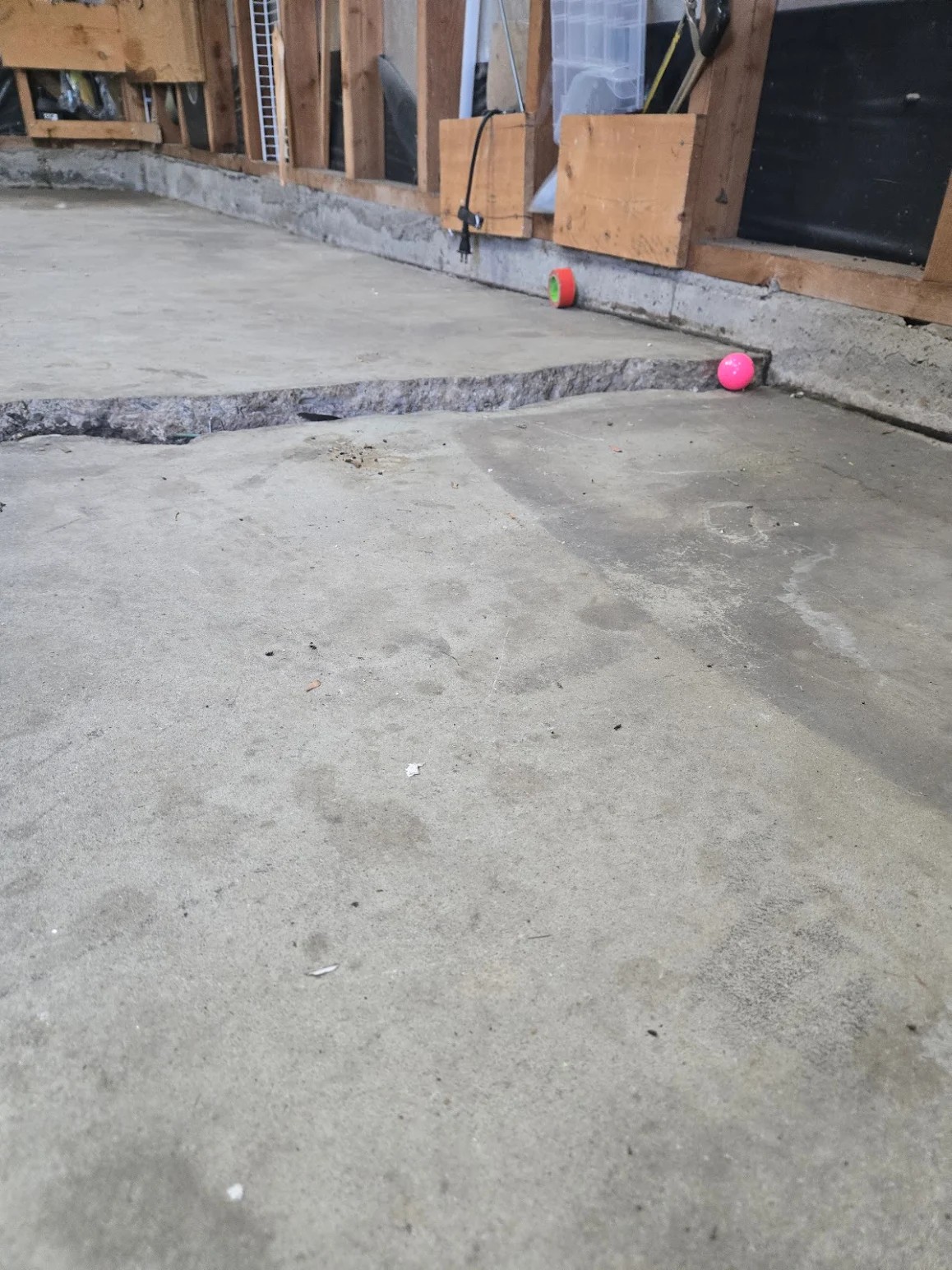
Cracks create hazards and invite structural failure
Open cracks let water into the concrete and the soil underneath. Colorado's freeze-thaw cycles push those cracks wider each winter, and the soil under the slab can wash out until it sinks.
Water intrusion weakens concrete from inside
Freeze-thaw cycles widen cracks every winter
Uneven surfaces create tripping hazards and liability
Assess the damage
Our specialists identify crack depth, width, and water intrusion patterns.
Prepare the surface
We clean debris and moisture from inside the crack completely.
Inject polyurethane
Pressurized injection forces sealant deep into every void and fissure.
Seal and stabilize
The sealant cures and closes the crack against water for 3–5 years.
Better than replacement
Polyurethane crack sealing keeps water out without tearing out the concrete. It costs less, takes less time and leaves your surface intact.
Minimal disruption
Sealing keeps your concrete in place. Replacement means breaking it out, hauling it away and pouring new.
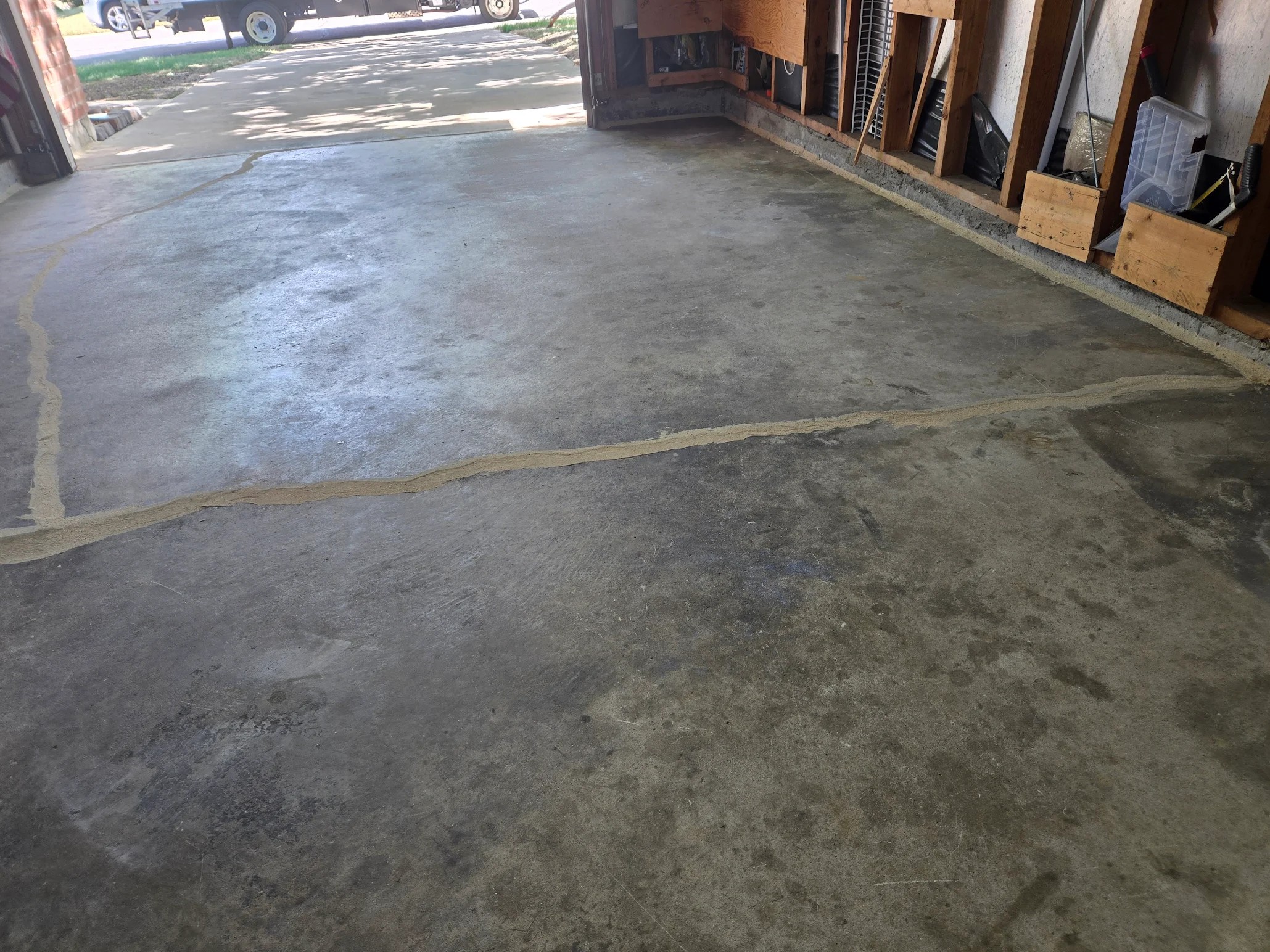
Quick and clean
Sealing is quick and clean, with no tear-out and no new concrete to wait on.
Inexpensive to maintain
Sealing costs a fraction of replacement, and resealing every 3–5 years is quick and inexpensive.
Where we repair and seal cracks
Concrete cracks appear everywhere. We seal them on homes and commercial properties across the Denver metro, from Castle Rock to Boulder and Longmont.
Driveway cracks sealed
Driveways crack from freeze-thaw cycles and vehicle weight. Water seeps in, weakens the base, and expands cracks. We seal them before they become expensive problems.
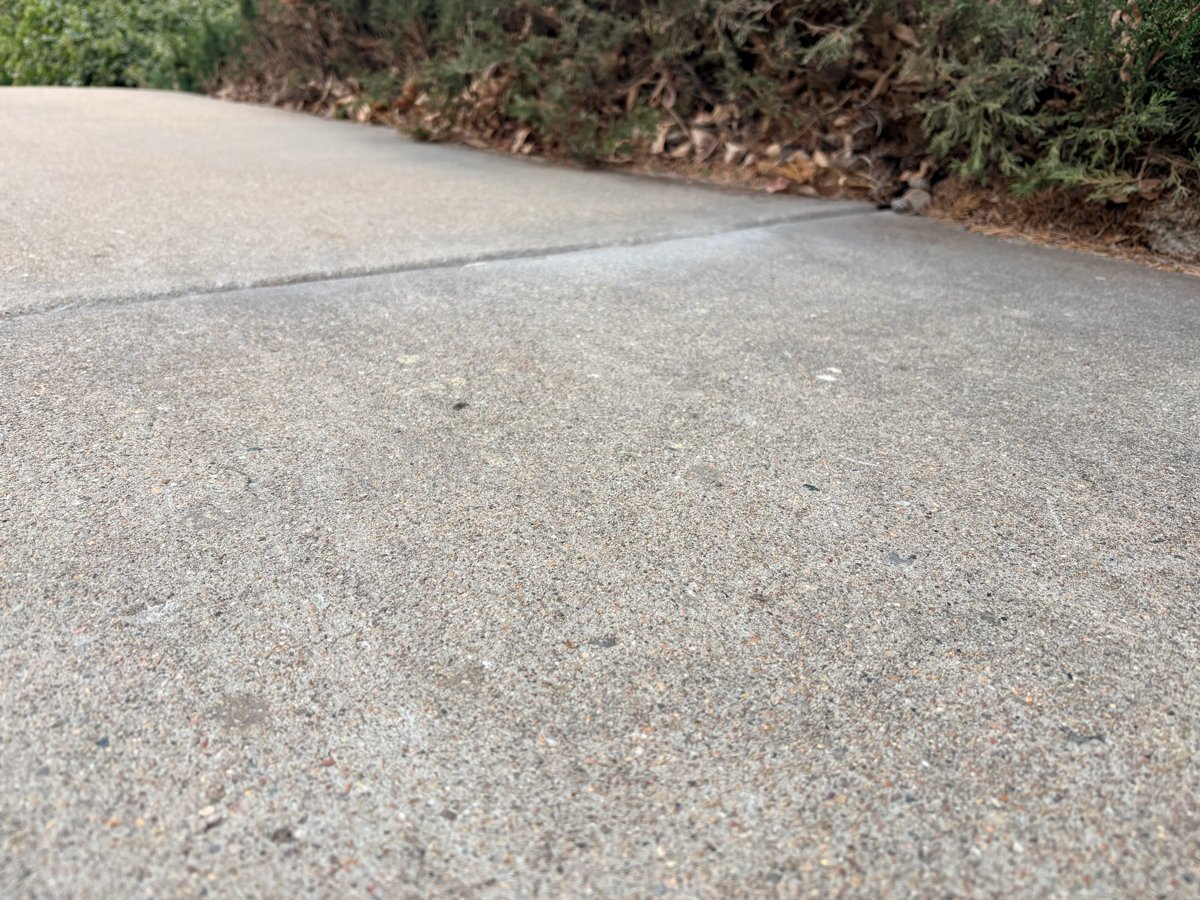
Sidewalk and patio cracks
Sidewalks and patios crack from settling and temperature changes. Sealing keeps water out and slows further damage, and if a slab has sunk into a trip hazard, we lift it first.
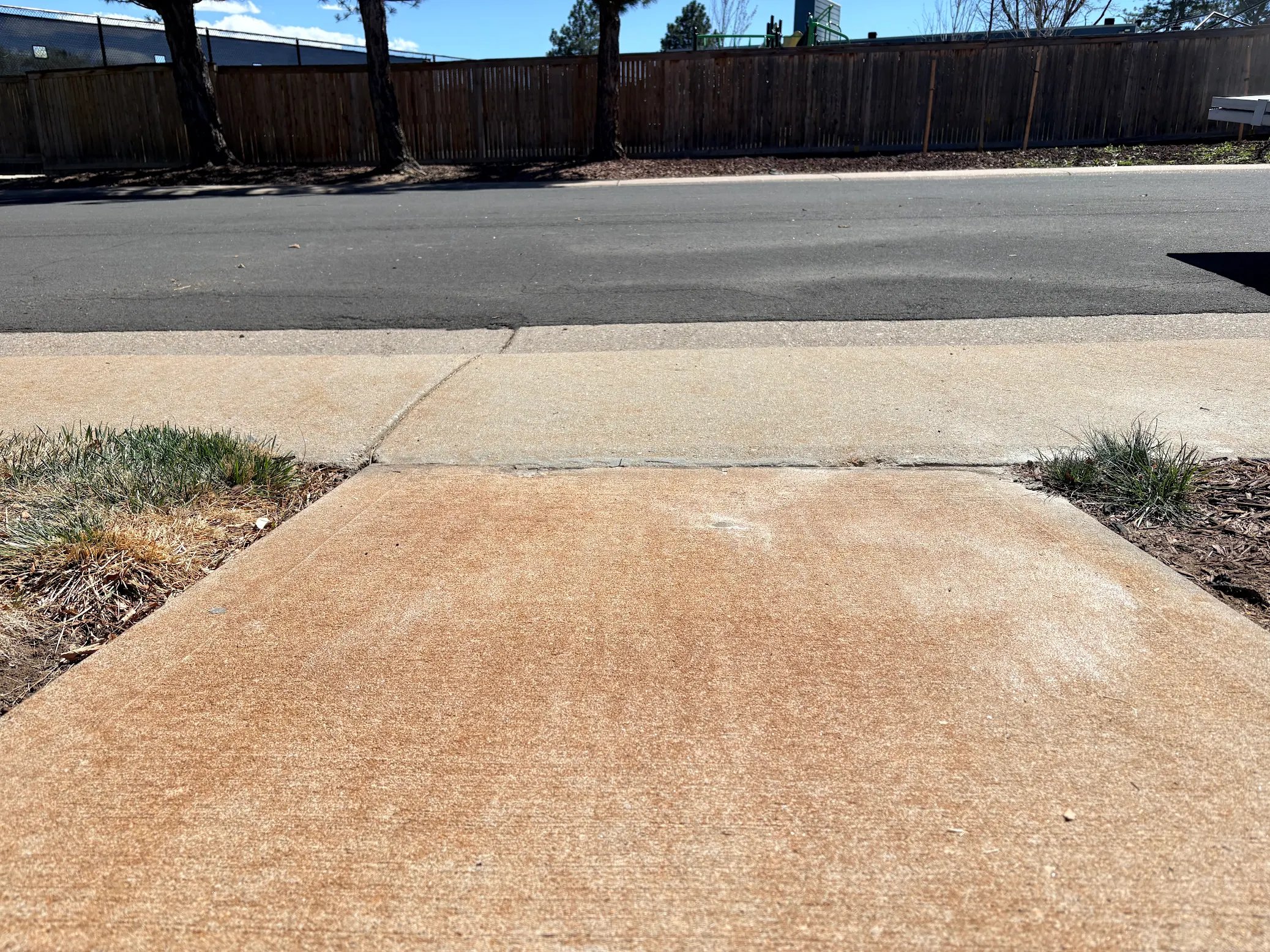
Patio surface cracks
Patio cracks develop from weight stress and temperature fluctuations. Cracks let water into the slab and the soil underneath, and sealing keeps it out.
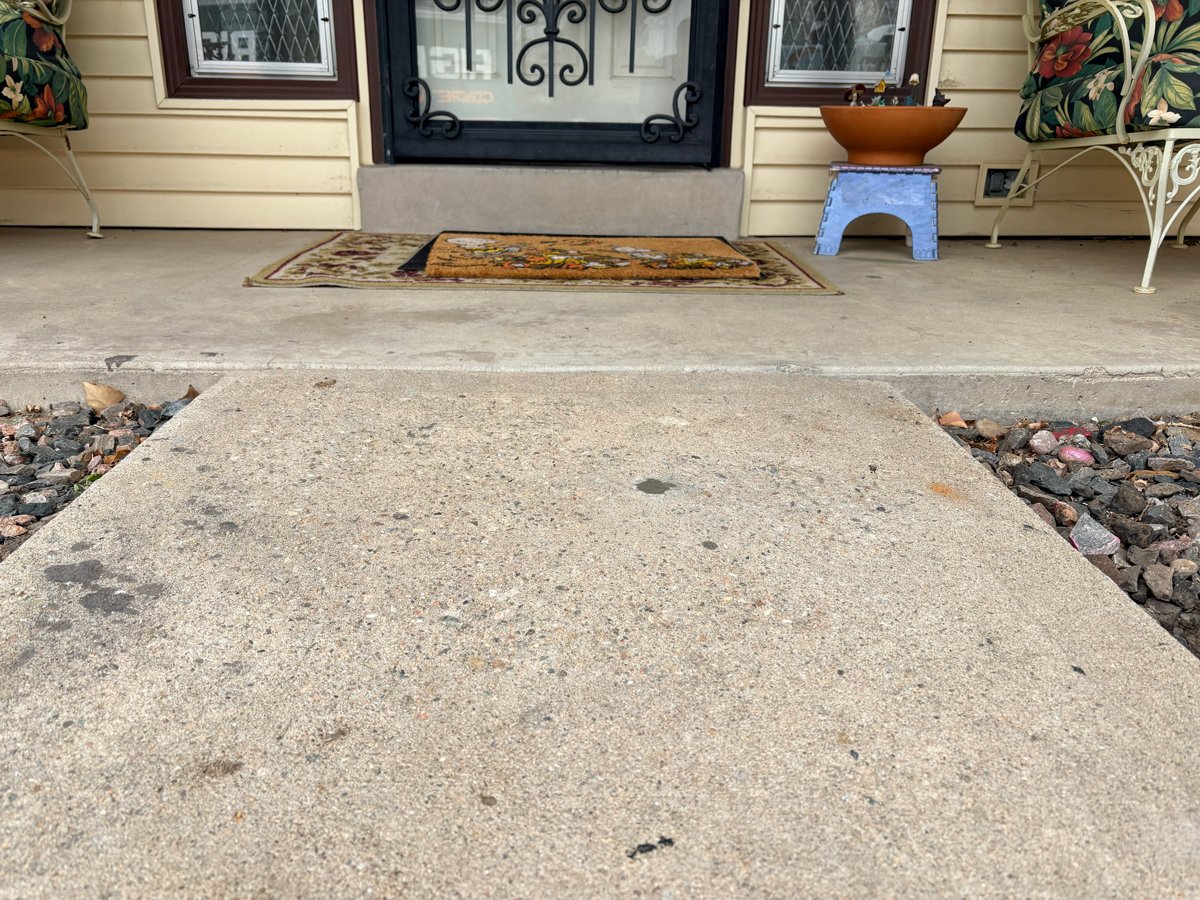
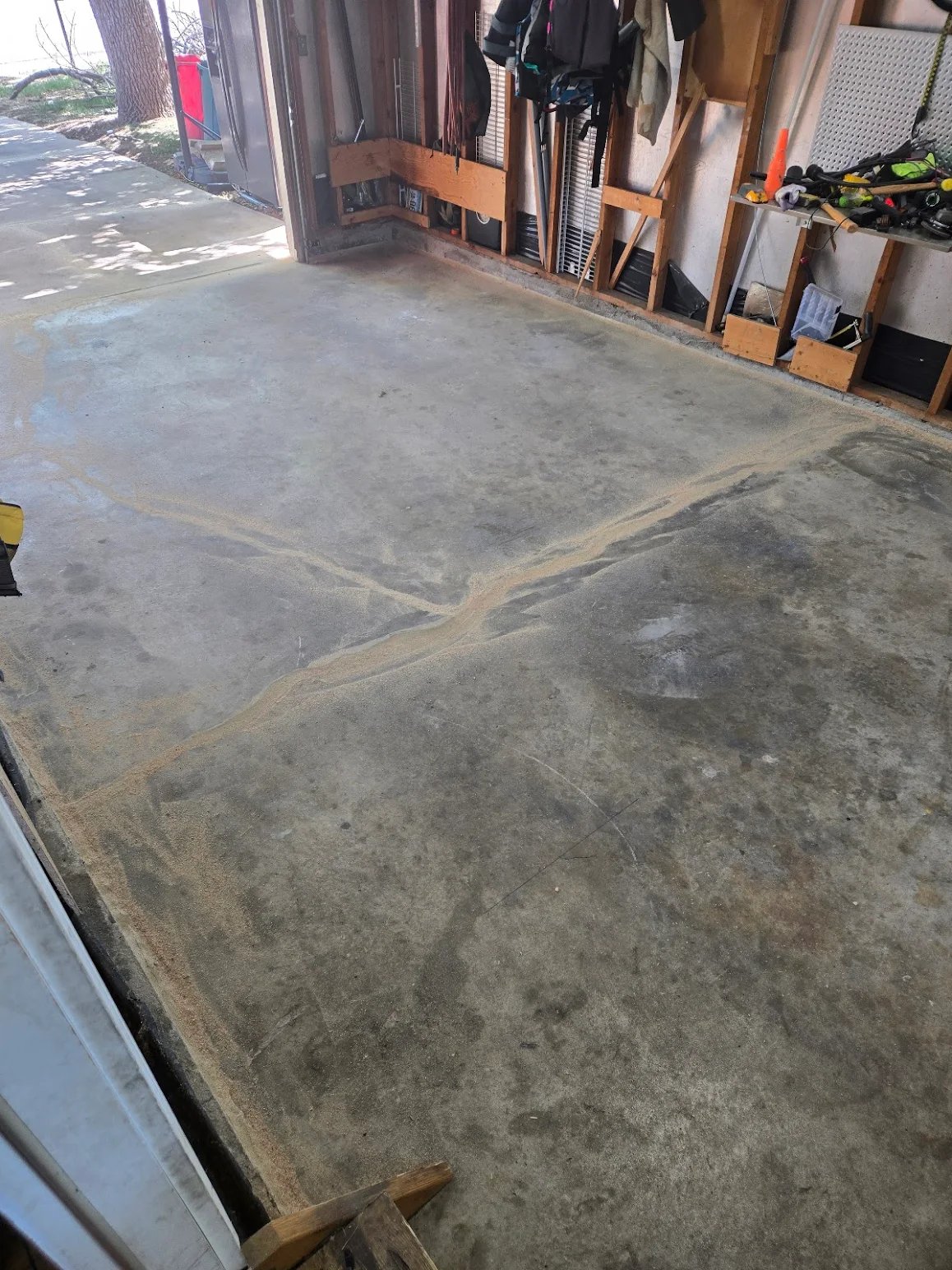
Garage floor cracks
Garage floors crack from constant moisture and freeze-thaw cycles. Sealing keeps water out, and if the floor has sunk, we lift it back toward level first.
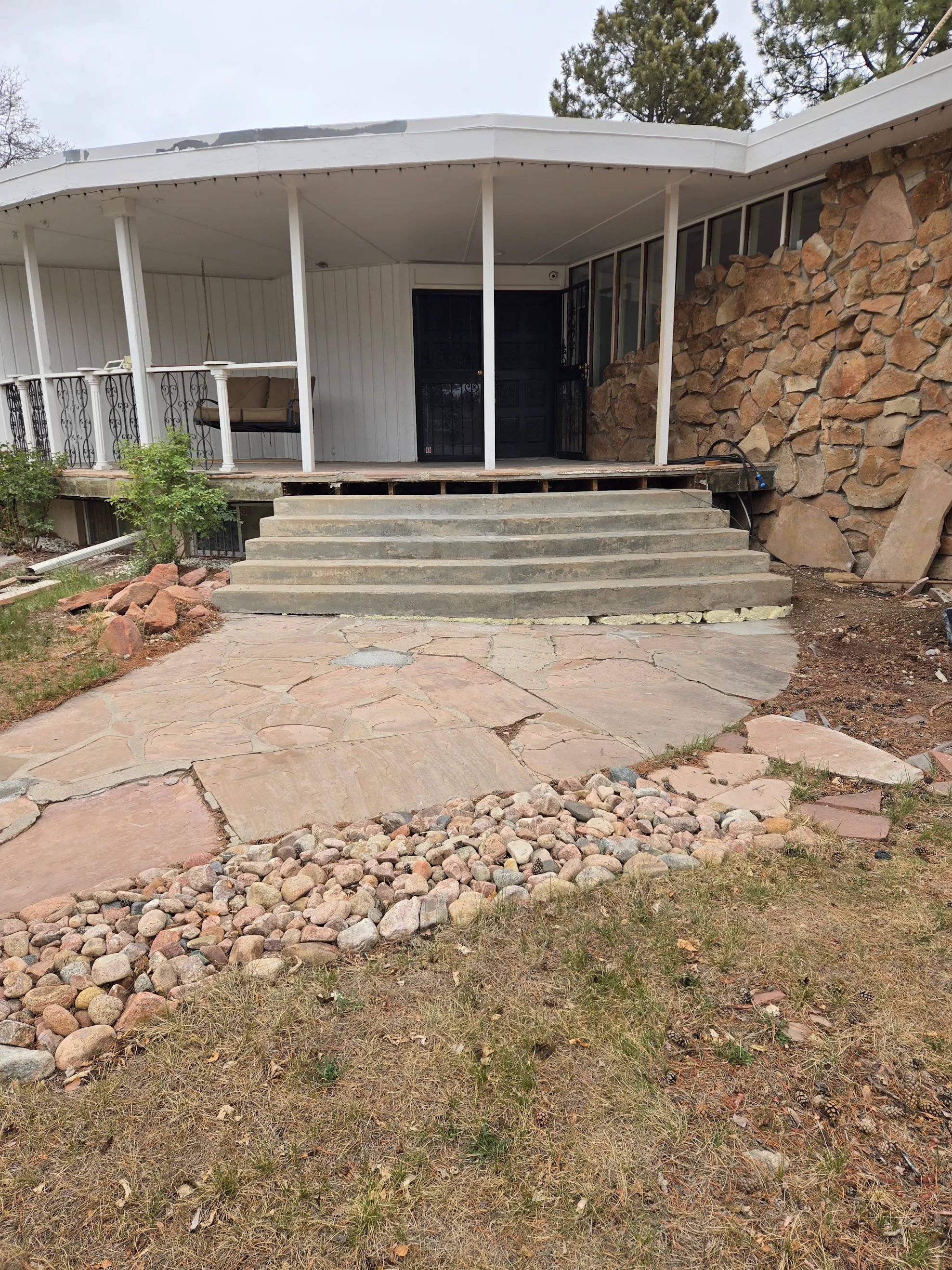
Concrete Steps Repair
Concrete steps develop cracks and settle under weather stress. Lifting settled concrete and sealing cracks prevents water intrusion, extends pavement life, and reduces liability risks.
Concrete Parking Lot Repair
Large concrete parking lots are prone to cracking from ground settling and regular use. Regular sealing prevents water infiltration and deterioration while keeping your parking lot operational and cost-effective long-term. Sunken areas and cracks can be repaired to restore a safe, even surface.
Get your free evaluation today
Fast, free 30-minute inspections. No sales pressure, just clear answers and pricing.
FAQs
Common questions about crack repair and sealing.
Crack sealing lasts 3–5 years, depending on traffic, water exposure and freeze-thaw movement.
That's shorter than polyurethane lifting, which lasts 20 years or more, because the sealant sits at the surface and takes the wear from tires, weather and moving slabs.
When it wears, resealing is quick and inexpensive, and far cheaper than tearing out and replacing the concrete.
Crack sealing isn't covered by our 5-year material and workmanship warranty, which applies to lifting and stabilization. At your free inspection, we'll look at the cracks and give you a clear quote before we leave.
For concrete that's cracked but still solid and level, yes. Sealing keeps water out of the cracks without tearing out the slab, so there's no demolition, no hauling and no new pour.
If a slab has also sunk or tipped, we lift it first with polyurethane foam and then seal the cracks and joints, and lifting costs 50–70% less than replacement.
If a slab is too broken up to save, we'll tell you at your free inspection. Sealing lasts 3–5 years, and resealing is quick and inexpensive.
Yes. Sealing keeps water out of cracks, seams and joints, which is where most water damage starts.
In Colorado, water that gets under a slab softens our clay soils, carries soil away and freezes, so cracks widen and the slab can start to sink.
Polyurethane sealant closes those openings, which slows freeze-thaw damage and protects the soil that supports the slab.
Sealing lasts 3–5 years, so plan on resealing, which is quick and inexpensive. If a slab has already sunk, lifting fixes that, and sealing helps keep it from happening again.
Yes. Crack sealing holds up through Colorado winters and lasts 3–5 years, depending on traffic, water exposure and freeze-thaw movement.
Winter is when sealing matters most. Water that gets into an open crack freezes, expands and pushes the crack wider, and every thaw lets more water in.
Keeping that water out slows the damage. Over time, the movement and weather wear the sealant down, so plan on resealing every few years, which is quick and inexpensive.
The best time to seal is before winter, so the cracks are closed when the freeze-thaw cycles start.
Yes. We seal cracks, seams and joints in driveways, sidewalks, patios, garage floors, steps and parking lots, from hairline cracks to wide ones.
What matters most is why the crack is there. If it comes from a slab that has sunk or shifted, we lift the slab first with polyurethane foam and then seal the crack, so the seal isn't fighting a slab that's out of place.
If a crack points to a bigger problem than sealing can fix, or a slab is too broken up to save, we'll tell you at your free inspection.
Usually within about 3 days. Inspections are free and first-come, first-served, so it pays to call before winter, when cracks take the most damage.
You'll get a clear quote during the visit, and most jobs start within 1–2 weeks. The sealing itself is quick, with no tear-out and no new pour.
Our office is open Monday through Friday, 8 AM to 5 PM, and we take evening and weekend appointments for commercial work.
Call (720) 840-1640 or send the form to book your free inspection.
Still have questions?
Reach out anytime. We're here to help.
Get in touch
We serve the Denver metro, from Castle Rock to Boulder and Longmont.
Office
Wheat Ridge, CO 80033