
Concrete lifting and leveling
Restore safety, appearance, and value to your driveway, sidwalks, garages, and patios with precision polyurethane injection solutions
Why concrete settles and sinks
Colorado's freeze-thaw cycles, poor soil compaction, and water intrusion cause concrete to settle unevenly over time. Left untreated, sunken slabs create safety hazards and damage property value.

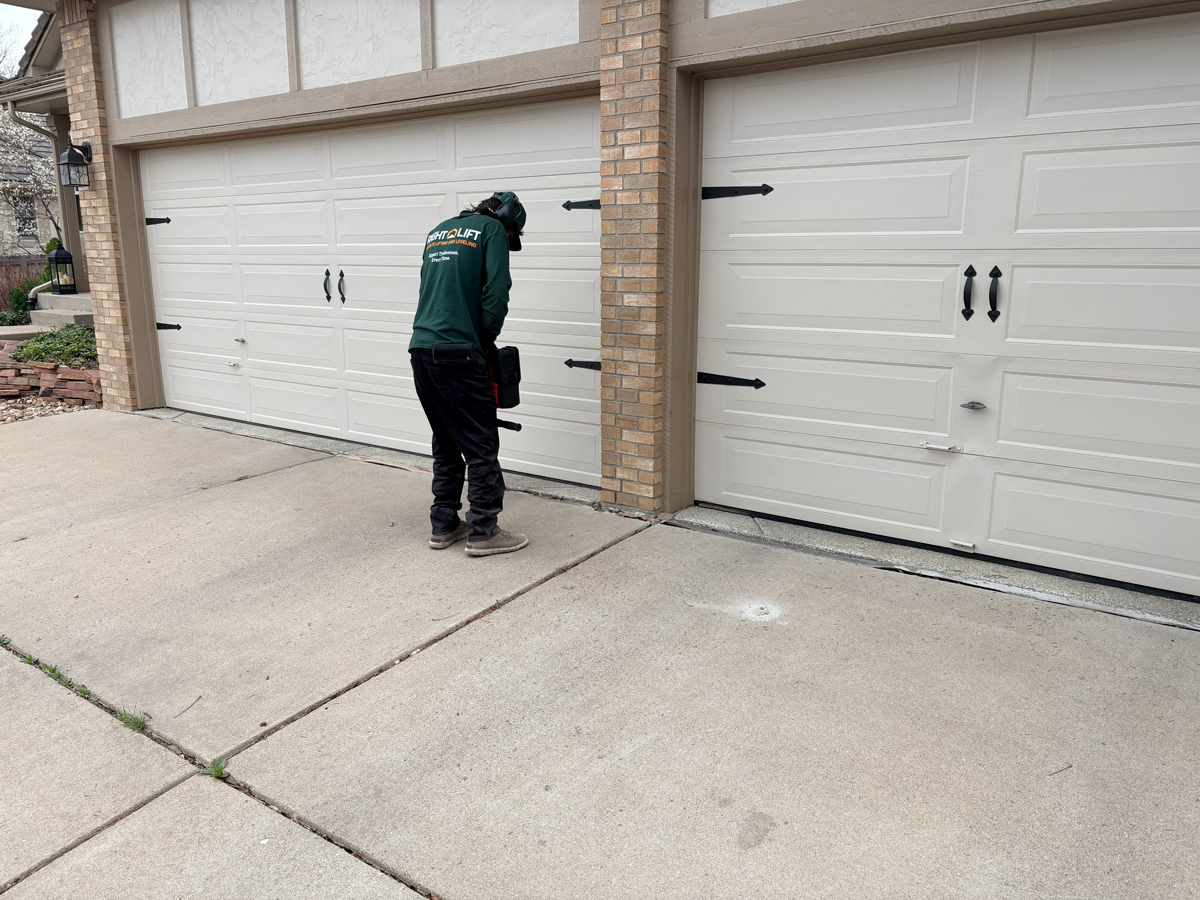
We drill small holes and inject polyurethane
Our expert tradesmen locate the exact points where your concrete needs support. Small injection holes are drilled at precise intervals beneath the sunken slab.
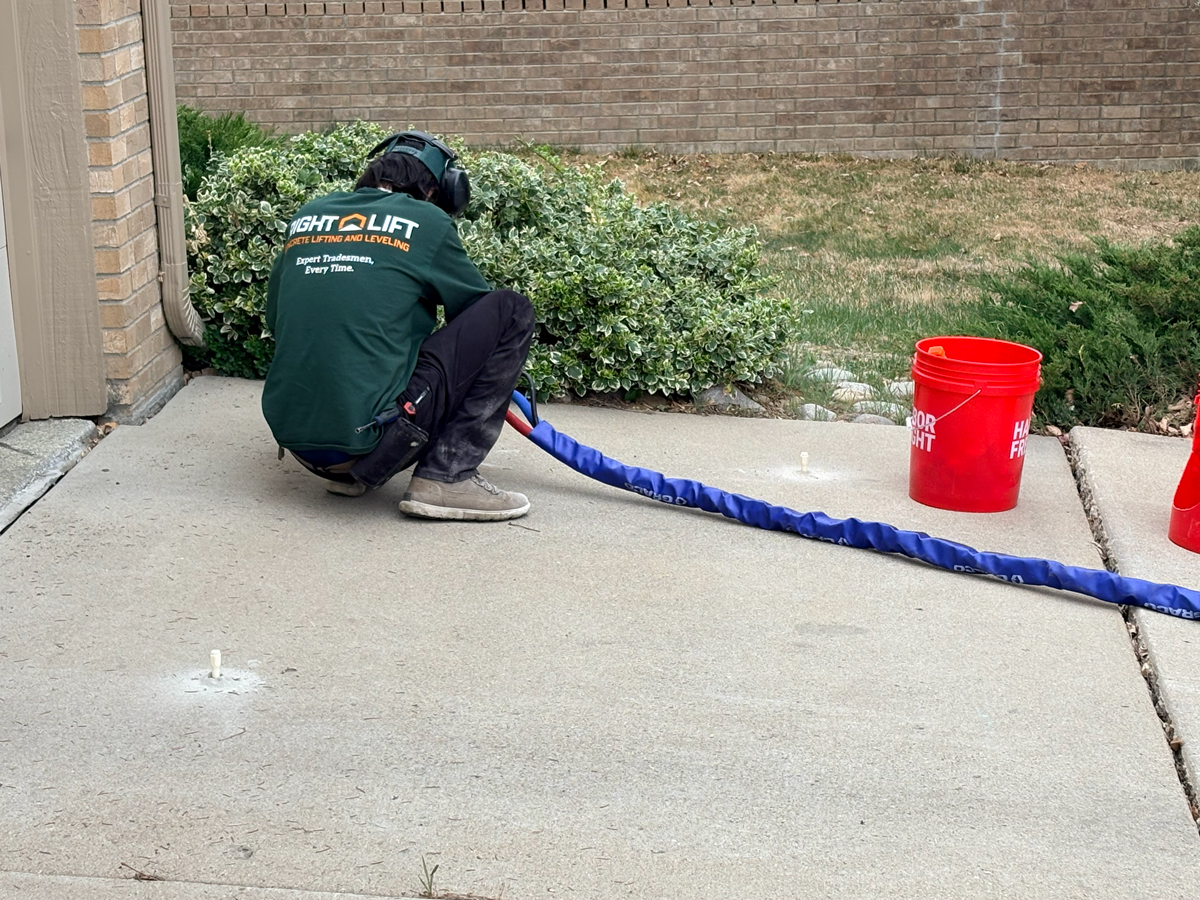
Polyurethane expands and lifts the slab
As the polyurethane is injected, it expands beneath the concrete, lifting it back to level. We monitor the process continuously to achieve perfect alignment without over-lifting.
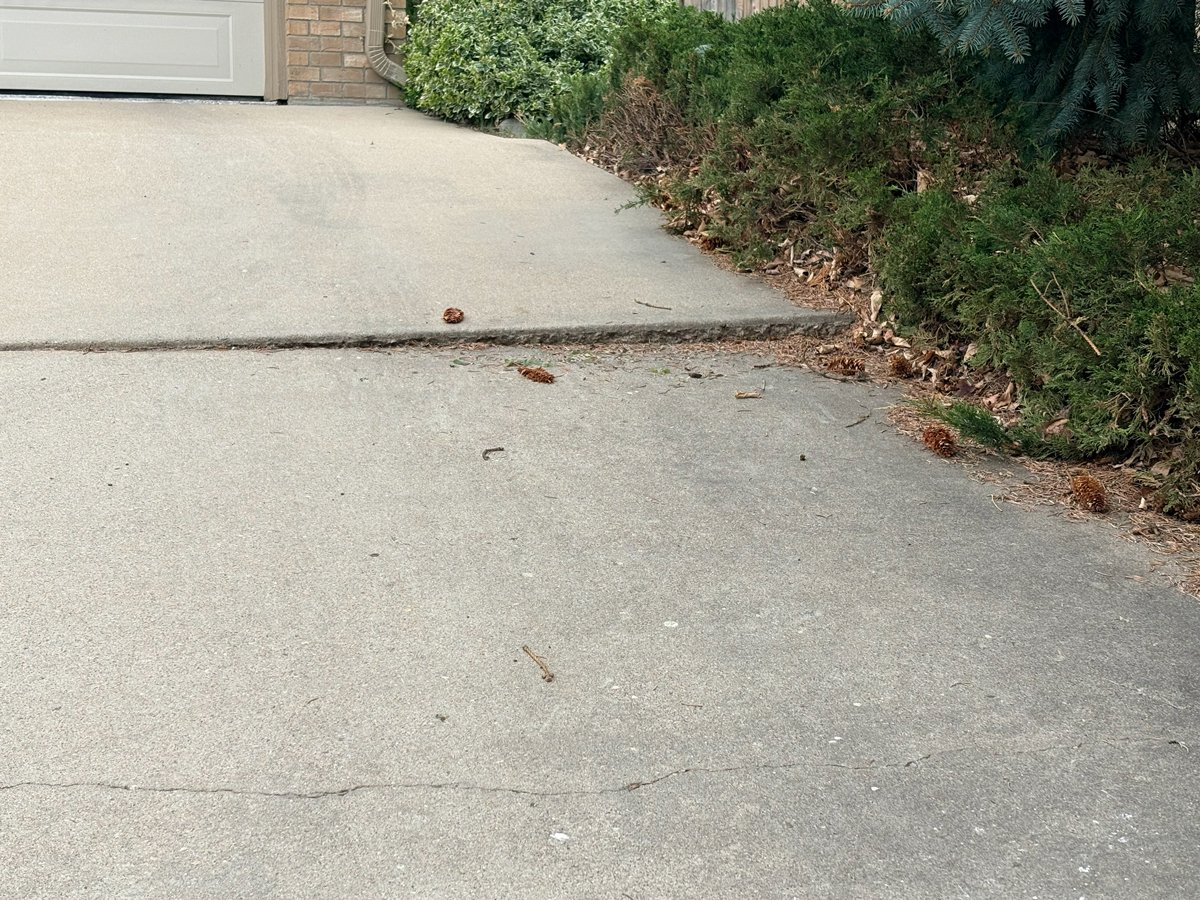
Concrete is level, stable, and ready to use
Once leveled, the polyurethane cures and locks the concrete in place. Injection holes are sealed, and your surface is ready for immediate use with no downtime.

Why lifting wins
Faster, cheaper, and ready the same day
Hours, not weeks
Most jobs finish in a single day with zero downtime
50%-70% less than replacement
Lifting costs a fraction of full concrete replacement
Lasts 20 years or more
Polyurethane won't settle, degrade, or fail like mudjacking
Where we lift concrete
Residential and commercial surfaces across Jefferson County
Driveways and walkways
Sunken driveways and cracked sidewalks are common in Colorado
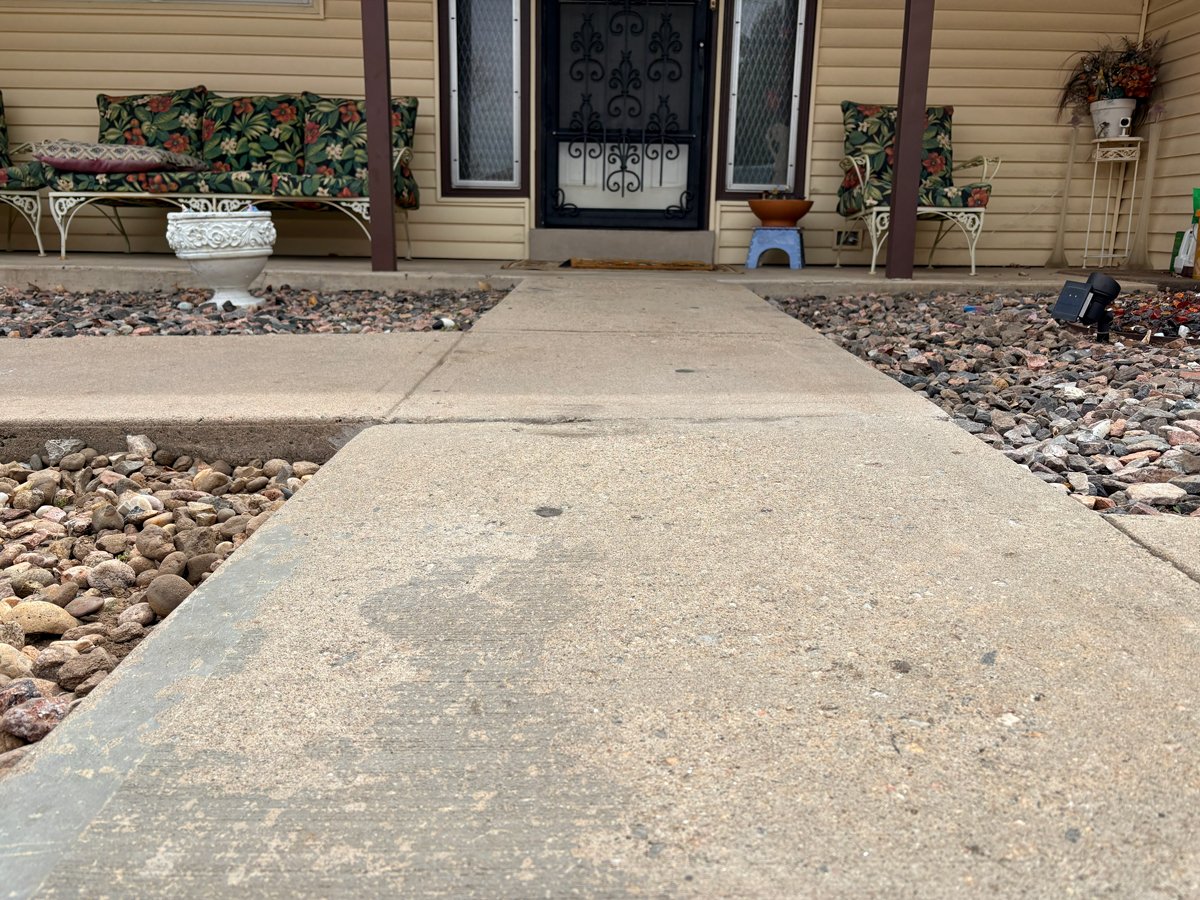
Patios and decks
Uneven outdoor surfaces create tripping hazards and look neglected
Garage floors
Settled garage slabs can damage vehicles and create safety issues
Ready to fix your concrete?
Schedule a free consultation with a concrete lifting and leveling expert today.

FAQs
Common questions about concrete lifting, polyurethane injection, and our process.
Polyurethane lifting lasts 20 years or more. The foam fills the empty space under the slab that let it sink in the first place, so the concrete sits on solid support again instead of a gap.
Colorado's freeze-thaw cycles won't break down the polyurethane. What can shorten any concrete repair is water getting under the slab through open cracks and joints, so we recommend sealing them.
Lifting and stabilization are backed by our 5-year material and workmanship warranty.
Crack sealing isn't covered by that warranty, but it lasts 3–5 years, and resealing is quick and inexpensive.
Yes. Mudjacking is an older method that can still work, but polyurethane does the same job with less weight, smaller holes and a faster finish. Mudjacking pumps a heavy slurry under the slab through larger holes.
That extra weight sits on the same soft soil that let the slab sink in the first place, so the slab can settle again. The slurry also takes time to cure, and it can wash out as water moves under the slab through Colorado's freeze-thaw cycles. Polyurethane is a lightweight foam injected through small holes beneath the slab. It cures in minutes, most residential jobs finish the same day, and you can use the concrete immediately.
Polyurethane lifting lasts 20 years or more and is backed by our 5-year material and workmanship warranty. That's why RightLift lifts with polyurethane instead of mudjacking.
For most sunken concrete, yes. Lifting costs 50–70% less than tearing out and replacing the concrete, because there's no demolition, no hauling and no new pour.
We inject polyurethane foam through small holes beneath the slab. The foam cures in minutes, and most residential jobs finish the same day, so you can use your driveway or walkway immediately.
Replacement means breaking out the old slab, hauling it away, pouring new concrete and waiting for it to cure. And unless the soil problem underneath is fixed, the new slab sits on the same ground that let the old one sink.
If a slab is too broken up to lift, we'll tell you at your free inspection.
Most residential jobs finish the same day. We drill small holes in the sunken slab, inject polyurethane foam beneath it to lift the concrete back toward level, and clean up before we leave.
The foam cures in minutes, so you can drive or walk on the concrete immediately. Commercial projects take longer depending on their size, and we schedule them to keep downtime and disruption to a minimum.
Getting started is quick too: inspections are free and first-come, first-served, usually within about 3 days of your call, and most jobs start within 1–2 weeks.
Yes. Polyurethane lifting holds up to Colorado's freeze-thaw cycles and lasts 20 years or more. The foam doesn't absorb water, so it won't wash out from under the slab the way soil and mudjacking slurry can.
That matters here, because most sinking starts with water. It gets under the slab through cracks and joints, softens our clay soils, then freezes and pushes the soil aside, leaving a bigger gap each winter.
Lifting fills that gap, and sealing cracks and joints helps keep the water out. Crack sealing lasts 3–5 years, and resealing is quick and inexpensive.
Lifting and stabilization are backed by our 5-year material and workmanship warranty.
Yes. We lift and level commercial concrete, including parking lots, warehouse floors, loading docks, school and municipal walkways, and HOA and apartment sidewalks.
It's the same polyurethane method we use on driveways: small injection holes, foam that cures in minutes, and concrete that's usable immediately, with no tear-out.
That makes it a fast way to remove trip hazards and level walkways to ADA accessibility standards. Larger projects take longer depending on their size, and we schedule commercial work to keep downtime to a minimum for your tenants, customers and staff.
Lifting and stabilization are backed by our 5-year material and workmanship warranty, and every project starts with a free on-site inspection.
Still have questions?
Reach out directly. We're here to help.
Get in touch
Questions about your concrete? Call or email us anytime.