
Deep injection · Denver metro
Foundation stabilization and repair with deep injection
We inject polyurethane foam into the soil next to and under your foundation to firm up the ground it sits on. Most foundation jobs take about a day, and deep injection normally costs less than piering.
You'll have a quote before we leave.
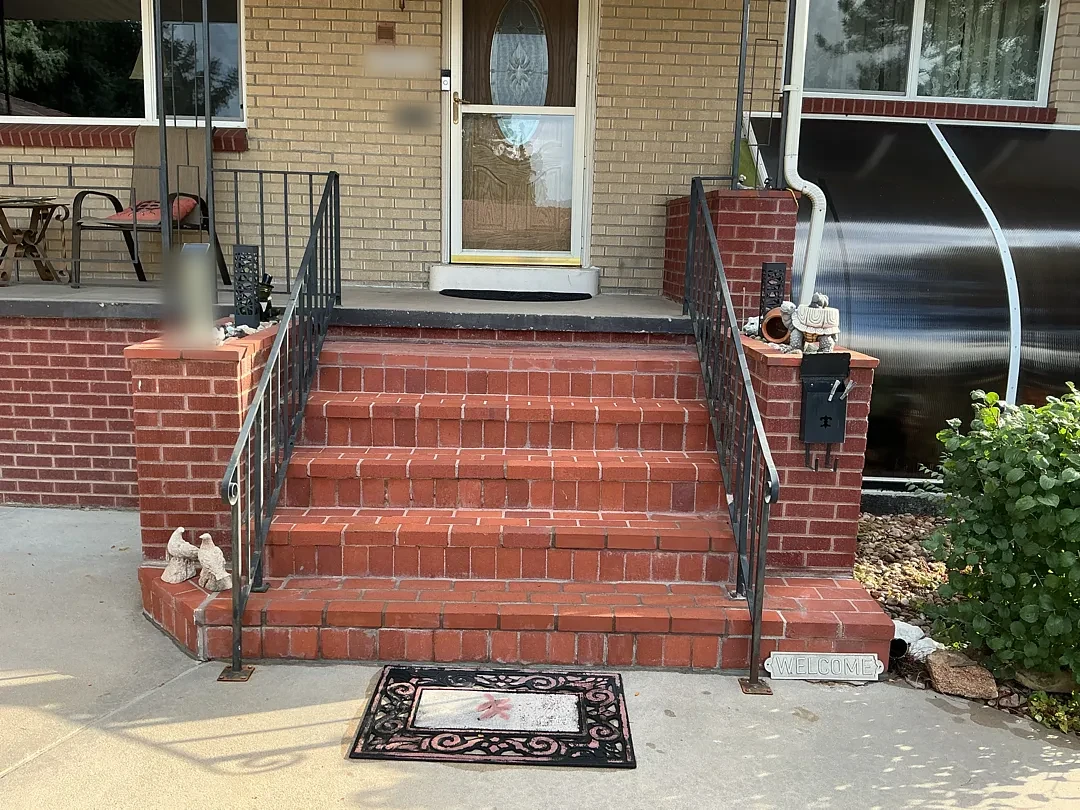 Before
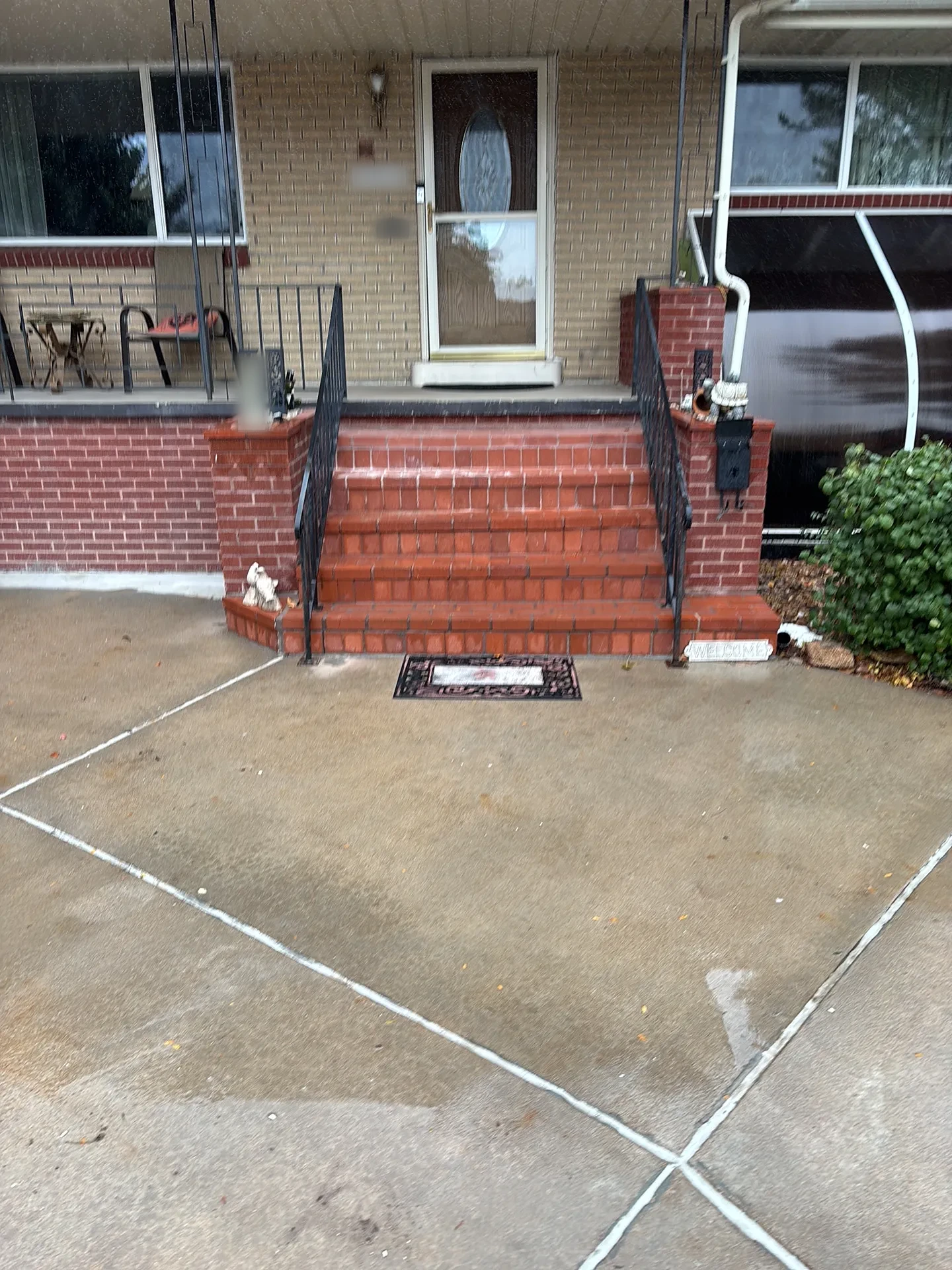 After
- Free inspection, no obligation
- 5-year warranty, transfers to the next owner
- Licensed and insured in Colorado
- BBB Accredited Business
- Locally owned, tradesmen operated
Quick answer
What is deep injection?
Deep injection stabilizes the ground under foundations, structures and large slabs, for homes and commercial properties. We insert injection tubes into the soft soil next to and under the foundation and inject polyurethane foam. The foam expands, fills the empty spaces and firms up the soil, which helps stop further settling.
Where the ground allows, deep injection can lift a settled foundation or slab back toward level while it stabilizes the soil underneath. Not every foundation can be lifted this way, so we assess it on site.
Updated November 2026 · RightLift Concrete Lifting and Leveling, Wheat Ridge, Colorado
Recent Google reviews
What are the signs of foundation settling?
- Stair-step cracks in brick or block
- Doors and windows that stick or won't latch
- Floors that slope or feel uneven
- Gaps between walls, trim and ceilings
- New cracks in a slab or basement floor
- One corner of the house or garage sitting lower than the rest
These signs can have other causes too, so we check every one at your free inspection.
Schedule a free inspectionWhy do foundations settle in the Denver metro?
In Colorado, most sinking starts with water. It softens the soil and carries it away, and soil that wasn't compacted well when the house was built can settle on its own. Once the ground under a foundation loses support, that part of the house can drop.
Deep injection is built for settling. Many Denver metro soils contain swelling clay, which can push a foundation up when it gets wet. If that is what we find, we'll tell you at the inspection, because heave needs a different fix.
Not sure what's causing it? We'll inspect it for free. On deep injection projects, we work closely with third-party structural engineers.
Learn more from the Colorado Geological Survey
- Expansive soil and rock: how swelling soils affect Colorado homes
- Collapsible soils: how some dry, loose soils settle when they get wet
 Before
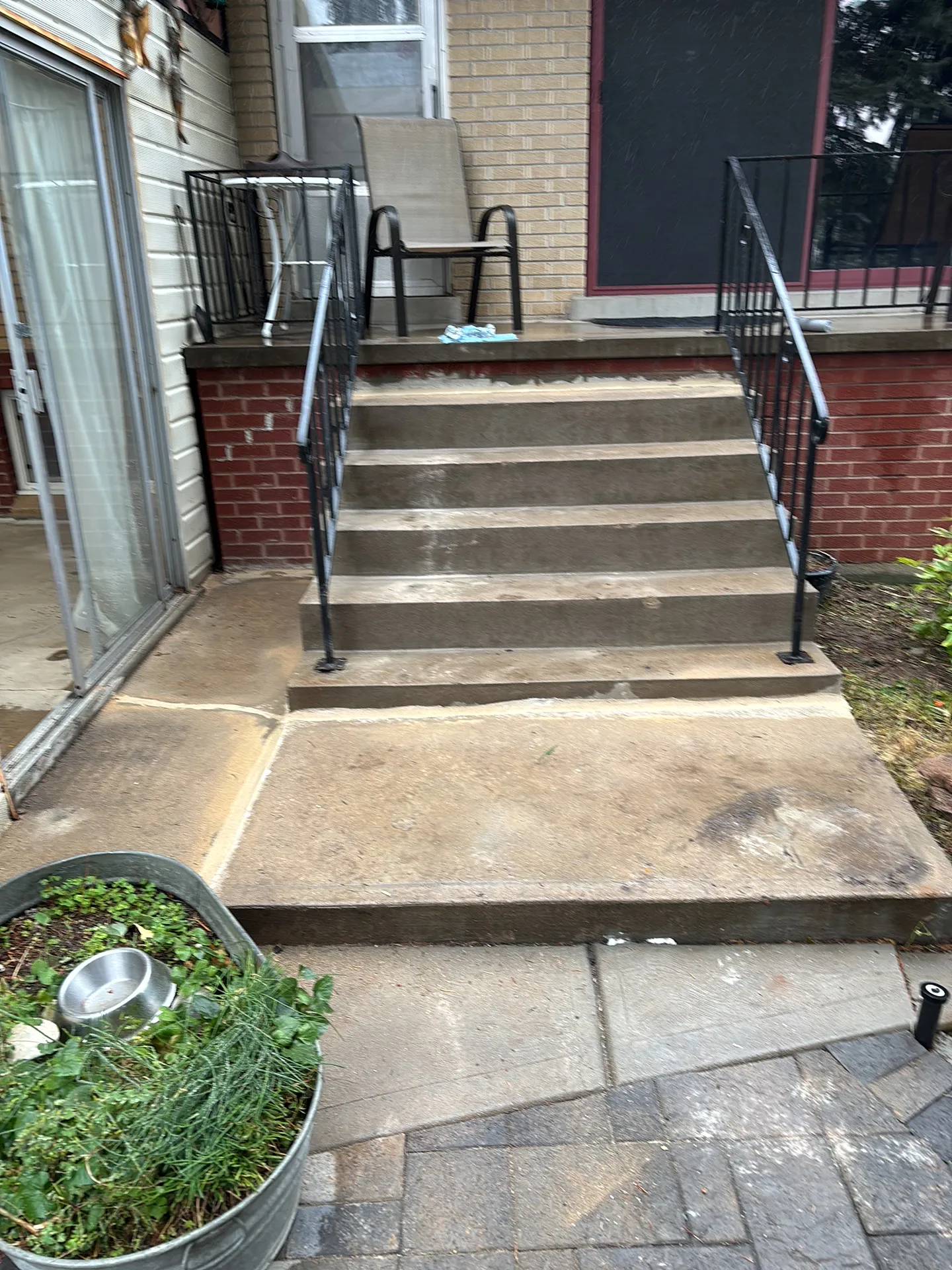 After
How does deep injection stabilize a foundation?
Free inspection
We look at the cracks and check the foundation with levels. Foundation work is priced on site.
Clear the work area
Move anything stored along the foundation or around the steps so we can reach the ground where the tubes go in.
Insert the injection tubes
We insert injection tubes into the ground next to and under the foundation, where the soil has lost support. They usually go about 3 to 10 feet deep, and 15 feet or deeper when the settling is severe.
Stabilize the soil, and lift where the ground allows
We inject the foam, and it expands, fills the empty spaces and firms up the soil. Stabilizing the soil to help prevent further movement is the main goal. Where the ground allows, deep injection can also lift the foundation or slab back toward level. We check the movement visually and with levels as we go.
Clean up
Because the tubes go into the ground, there's usually nothing to patch. We clean up before we leave, and most foundation jobs take about a day.
Deep injection or piers?
Both have their place. If piers fit your home better, we'll tell you.
We know when deep injection is the right fix and when it isn't, so it's worth having us take a look. When it is a good fit, it can save you thousands compared with piering.
| Compare | Deep injection | Piers |
|---|---|---|
| Best for | Firming up soft soil under a settling foundation | Resting the foundation on deeper, firmer ground or bedrock |
| Works great on | Brick homes with foundation issues, and areas where trenching is difficult or dangerous | Sites where digging around the foundation is practical |
| Lifting | Can lift a settled foundation back toward level where the ground allows | Larger lifts than injection can give |
| On site | Injection tubes instead of digging, most jobs in about a day | Can need digging or trenching around the foundation |
| Cost | Normally costs less than piering | Normally costs more than deep injection |
Foundation work is priced on site after a free inspection.
Homes and commercial properties
We stabilize foundations, structures and large slabs for homeowners, property managers, HOAs and commercial owners across the Denver metro. We can schedule work for early mornings, evenings or weekends when a project needs it.
See our commercial workWhat does foundation stabilization cost?
Foundation work is priced on site, because the cost depends on how much soil needs firming, how deep the soft layers go and how long the foundation is.
Your inspection and quote are free, with no obligation. You'll have a quote before we leave. The price we quote is the price you pay.
Get your free quoteBacked by RightLift
Expert Tradesmen, Every Time.
- Lifting and stabilization are backed by our 5-year material and workmanship warranty, which transfers to the next owner
- Licensed and insured in Colorado
- BBB Accredited Business
- 5.0 Google rating, 150+ reviews
- Locally owned, tradesmen operated, with 30+ years of combined concrete experience
Foundation stabilization and repair FAQs
Common questions about deep injection and foundation stabilization.
How deep does deep injection go?
Injection tubes usually go about 3 to 10 feet into the soil next to and under the foundation, and 15 feet or deeper when the settling is severe. We set the depth to reach the loose or weak soil that is letting the foundation move, not just the layer right under it. The foam expands in that soil, fills empty pockets and firms it up so it can carry the house again. Your free inspection is where we map out the depth and the injection points.
How long does it take?
Most foundation jobs take about a day. The crew sets the injection tubes, injects the foam in stages while checking the foundation, then removes the tubes and patches the holes before we leave. Larger homes or severe settling can take longer. If any of the work happens inside, we keep the disruption minimal, and you'll know the plan before we start.
Will deep injection lift my foundation?
Stabilizing the soil to help prevent further movement is the main goal. Where the ground allows, deep injection can also lift a settled foundation or slab back toward level while it stabilizes the soil underneath. Not every foundation can be lifted this way, so we assess it on site. If lifting matters most to you, for example to level a sloping floor, tell us at the inspection so we can say what the ground will allow.
Does it cost less than piers?
Deep injection normally costs less than piering, and when it is a good fit it can save you thousands. Piering usually means digging along the foundation to set steel or concrete supports, while deep injection goes in through small tubes with far less digging. Foundation work is priced on site after a free inspection, and the price we quote is the price you pay.
Is deep injection right for my home?
It is best where the job is stabilizing more than lifting, and it works great on brick homes with foundation issues and in areas where trenching is difficult or dangerous. It is not right for every structural problem, so we assess it on site and tell you if another fix fits better. On deep injection projects, we work closely with third-party structural engineers. If an engineer has already looked at your home, have the report handy at the inspection.
Does the foam hold up in Colorado winters?
Yes. It holds up through Colorado's freeze-thaw cycles and won't wash out the way soil or mudjacking slurry can. Once the foam cures, it doesn't soak up water, so freezing and thawing don't break it down. Polyurethane lifting lasts 20 years or more. In winter, work from inside, like a basement, can still go ahead because the house keeps the ground under it from freezing.
Is there a warranty?
Yes. Lifting and stabilization, deep injection included, are backed by our 5-year material and workmanship warranty, which transfers to the next owner. That helps when you sell, since buyers and home inspectors often ask what was done to the foundation and whether it's covered. You'll get the warranty details with your quote.
How soon can you come out?
Inspections are free and first-come, first-served, usually within about 3 days of your call. For urgent projects, call us directly. Same day appointments are available. A foundation inspection takes a little longer than our standard 30-minute quote, but not much. Point out anything you've noticed, like new cracks, sticking doors or gaps at windows, so we check those spots too.
Does homeowners insurance cover foundation settling?
Usually not. Most standard homeowners policies exclude damage from normal settling and earth movement, though some cover foundation damage caused by a sudden covered event, such as a burst pipe. Every policy is different, so read yours or ask your agent before you file. We can give you a written quote for the work to share with your insurer.
How much foundation settling is normal?
Some settling is normal in the first years after a house is built, and hairline cracks in a basement wall or floor are common. Signs that the ground is still moving deserve a closer look: cracks that keep growing, stair-step cracks in brick, doors and windows that start to stick, or floors that slope. A free inspection tells you whether it's normal settling or something to fix.
How do you fix a settling foundation?
The right fix depends on what is moving the foundation and how far it has moved. Deep injection stabilizes the soil under and around the foundation with polyurethane foam injected through small tubes, and it can lift where the ground allows. Piers are the other common fix. We assess it on site, work with third-party structural engineers on deep injection projects, and tell you if another fix fits better.
Can you work around a finished basement or landscaping?
Yes, with minimal disruption. In a finished basement, we may need to pull back some carpet or move things away from the wall where we inject. Outside, we work around your landscaping and keep the disruption to beds and plants small. We'll show you where the injection points go at the inspection, so you know what to move before we start.
Still have questions?
Reach out directly. We're here to help.
Related services
Ready to stabilize your foundation?
Schedule your free inspection, or call (720) 840-1640 weekdays 8 to 5. Based in Wheat Ridge, serving the Denver metro and surrounding cities.