
Patio leveling · Denver metro
Patio leveling and repair
Most sunken patios don't need to be replaced. We lift sunken and tipping patio slabs back toward level with polyurethane foam, and most residential jobs are finished the same day we start. No digging. No tear-out.
You'll have a quote before we leave.
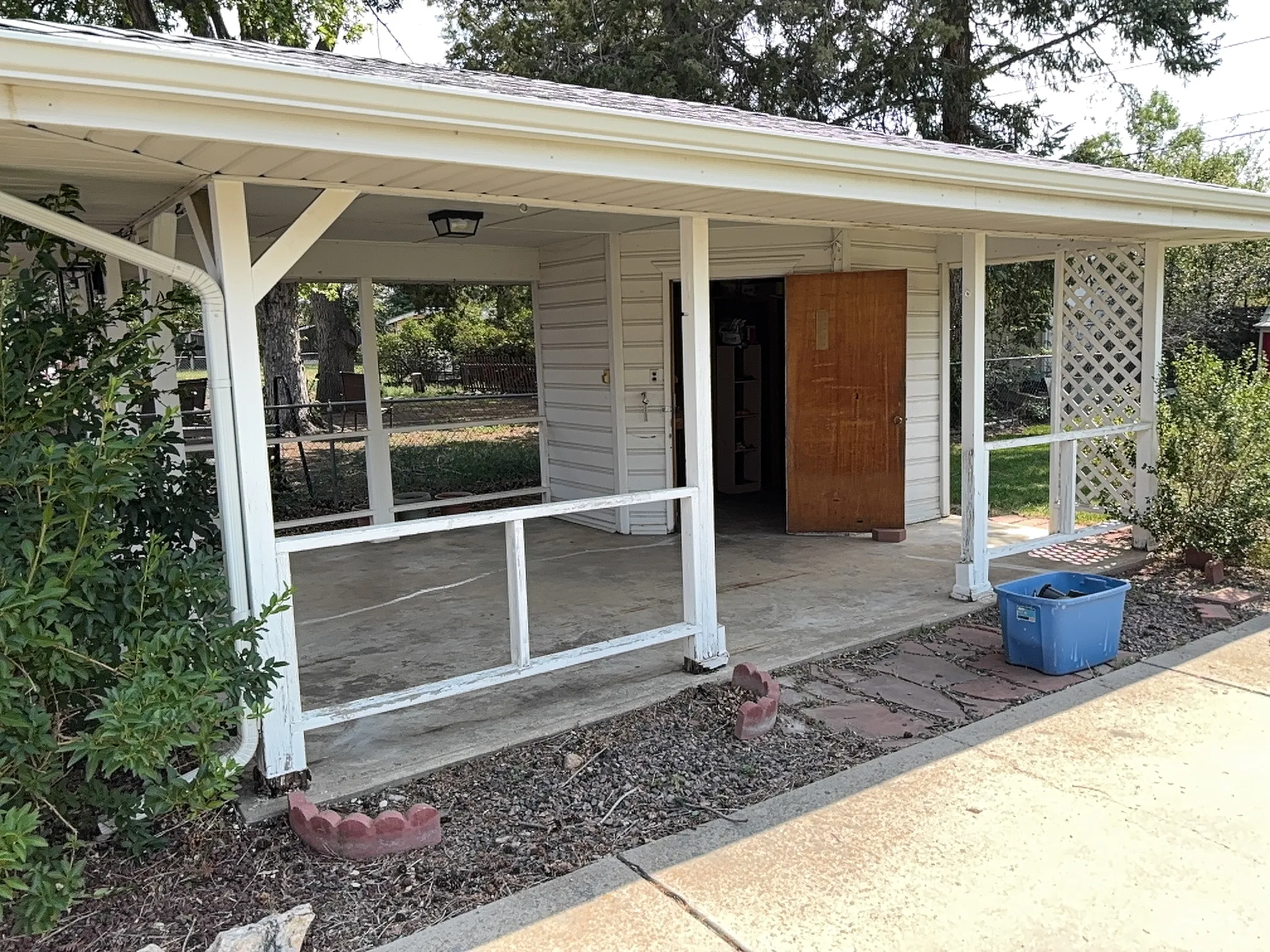 Before
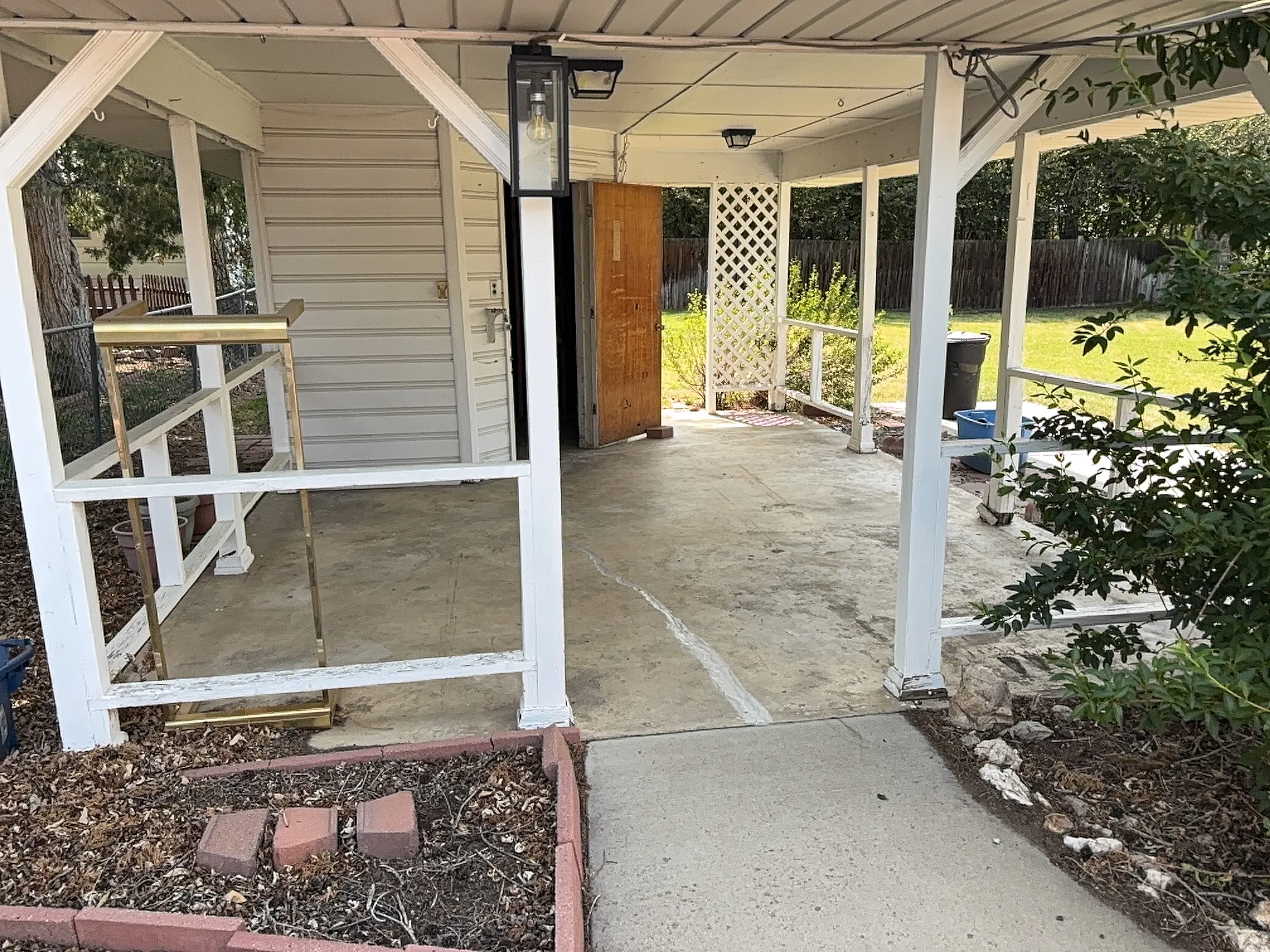 After
- Free quotes in 30 minutes or less
- 5-year warranty, transfers to the next owner
- Licensed and insured in Colorado
- BBB Accredited Business
- Locally owned, tradesmen operated
Quick answer
Can a sunken patio be fixed without replacing it?
Usually, yes. We drill small holes in the sunken slab, inject polyurethane foam underneath and lift the concrete back toward level.
Polyurethane lifting costs 50 to 70 percent less than replacement, and you can walk on it the same day.
Updated November 2026 · RightLift Concrete Lifting and Leveling, Wheat Ridge, Colorado
Recent Google reviews
Signs your patio needs leveling
- The patio has dropped away from the house, leaving a gap at the wall
- A slab tipping toward the house, sending water the wrong way
- A step down from the door that keeps getting taller
- Trip edges between slabs
- Water pooling on the patio after rain or snowmelt
If a slab is too broken up to lift, we'll tell you at your free inspection.
Get a free quoteWhy patios sink in Colorado
Usually because the soil under the patio has washed out or settled, leaving an empty space beneath the slab. In Colorado, most sinking starts with water. Roof runoff, downspouts and sprinklers send water to the edges of the patio, and it gets under the concrete through cracks and joints.
The water softens our clay soils and can carry soil away, and freezing water can push soil aside, so the gap can grow over time. A patio poured against the house usually sits on ground that was dug out for the foundation and filled back in, and that looser soil can settle on its own. Keeping water away from the slab helps.

How we level a patio
Free quote
We look at the patio, measure how far each slab has dropped and give you a clear price in 30 minutes or less.
Clear the area
Move furniture, grills and planters off the patio so we can access the concrete.
Drill small holes
Each one is roughly the size of a dime.
Inject the foam
It expands under the slab, fills the empty space and lifts the concrete back toward level. We watch the slab the whole time, so we lift it just enough without over-lifting.
Patch and clean up
We patch the holes and clean up before we leave.
Most residential jobs are finished the same day we start. You can walk on it the same day.
Patio repair without replacement
Lifting fixes what's underneath. Polyurethane fills the empty space under the slab, so the concrete has support again.
Here's how lifting compares with tearing out and replacing a patio.
| Compare | Polyurethane lifting | Replacement |
|---|---|---|
| The work | Small holes, roughly the size of a dime, and foam injected under the slab | Breaking out the old slab, hauling it away and pouring new concrete |
| Cost | 50 to 70 percent less than replacement | Includes demolition, hauling and a new pour |
| Using it | You can walk on it the same day | Waiting for the new concrete to cure |
| The ground underneath | The foam fills the empty space, so the slab has support again | A new slab poured on the same soft ground can sink the same way |
If a slab is too broken up to lift, we'll tell you at your free inspection.
Easy on your yard
Most patios sit in the backyard, so how we get there matters. Our equipment stays on the truck, and we run hoses back to the patio, so there's no heavy machinery on your lawn and nothing to tear out. Landscaping next to the patio is usually left as it is, and all you'll see when we're done is a few small patched holes.
Hot tubs, grills and heavy furniture
Move grills, furniture and planters off the slab before we come, and we'll work around anything that can't be moved. If a hot tub sits on the patio, tell us when you schedule. The cured foam supports the weight of a car or truck, so it can carry a filled hot tub, but we'll look at how the tub is placed before we lift around it.
Patios, porches, steps and pool decks
We lift patios, porches and steps, and pool decks too, with the same polyurethane method we use on driveways.
See concrete lifting and levelingWhat patio leveling costs
The average patio job runs between $800 and $2,000, depending on size and severity, and larger projects can cost more.
Your quote is free with no obligation, and the price we quote is the price you pay.
See what affects the priceGet your free quoteSeal the cracks and joints too
Once the slabs are lifted, sealing cracks and joints helps keep water out. Crack sealing lasts 3 to 5 years, and resealing is quick and costs far less than replacement.
See crack repair and sealing
Backed by RightLift
Expert Tradesmen, Every Time.
- Lifting and stabilization are backed by our 5-year material and workmanship warranty, which transfers to the next owner. Crack sealing and joint caulking are not covered by that warranty.
- Polyurethane lifting lasts 20 years or more
- Licensed and insured in Colorado; just ask to see our liability coverage
- BBB Accredited Business
- 5.0 Google rating, 150+ reviews
- Locally owned, tradesmen operated, with 30+ years of combined concrete experience
Patio leveling FAQs
Common questions about leveling a sunken or tipping patio.
Why did my patio sink next to the house?
Right next to the house, the soil is often fill that was put back after the foundation went in, and it's rarely packed as firmly as the ground farther out. Roof runoff and downspouts drop water along that edge, which softens the fill and carries some of it away. Over time, the patio tips toward the house. Lifting it back toward level and sealing the joint at the wall helps turn water away again.
Can you fill the gap between my patio and the house?
Lifting the patio back toward level often closes much of that gap. The gap usually opens because the edge by the house has dropped, so raising that edge does most of the work. Sealing the joint at the wall afterward helps keep water out, and the sealant fills what's left of the gap.
What do I need to do before you come?
Clear the patio so we can access the concrete: furniture, grills and planters. Move fragile things off nearby ledges or tables, since we'll be drilling and moving equipment around the patio. If the patio is behind a locked gate, leave it unlocked or tell us how to get in. A typical patio job takes a few hours.
How long does patio lifting last?
Polyurethane lifting lasts 20 years or more. The foam won't wash out the way soil or mudjacking slurry can, and it stands up to Colorado's freeze-thaw cycles. Water decides the most: pointing downspouts away from the slab and keeping the joint at the house sealed help the lift last. Lifting is backed by our 5-year material and workmanship warranty, which transfers to the next owner.
How much does patio leveling cost?
The average patio job runs between $800 and $2,000, depending on size and severity, and larger projects can cost more. A patio that has dropped only along the house edge usually costs less than one with several sunken sections. Every quote is free, and you'll have yours before we leave.
Can every patio be lifted?
Not every one. If a slab is too broken up to lift, we'll tell you at your free inspection. Patios we can't lift are usually broken into many small pieces, or were poured too thin to rise without cracking. If yours is one of them, we'll say so and won't sell you a lift.
Can you lift a stamped or colored patio?
Yes, and the patched holes are the one thing to know about. On stamped or colored concrete, the dime-sized holes can be more noticeable than on plain gray. We match them as closely as we can, and most of the time they blend in really well, though not perfectly. We'll point out where the holes will go at your inspection.
Do you level paver patios?
No. We don't lift paver patios or paver walkways. Our lifting works on poured concrete slabs, which rise in one piece when the foam fills the space underneath. Pavers are usually leveled by lifting them out, regrading the base and setting them back.
Does a patio need to be level?
Not perfectly level. A patio should slope gently away from the house so rain runs off instead of pooling at the wall, usually about 1/8 to 1/4 inch per foot. Trouble starts when the slope reverses and the patio tips toward the house. When we lift a patio, we bring it back toward level with that gentle fall away from the house in mind.
Is the foam safe for my plants and garden?
Yes. The foam is safe around plants, soil and groundwater, because once its compound has formed it's inert. That's useful on a patio, where flower beds and gardens often sit right at the edge of the slab. We'll still ask you to move potted plants off the patio so we can reach the concrete.
Still have questions?
Reach out directly. We're here to help.
Related services
Get your patio back toward level.
Get a free quote in 30 minutes or less, or call (720) 840-1640 weekdays 8 to 5. Based in Wheat Ridge, serving the Denver metro.